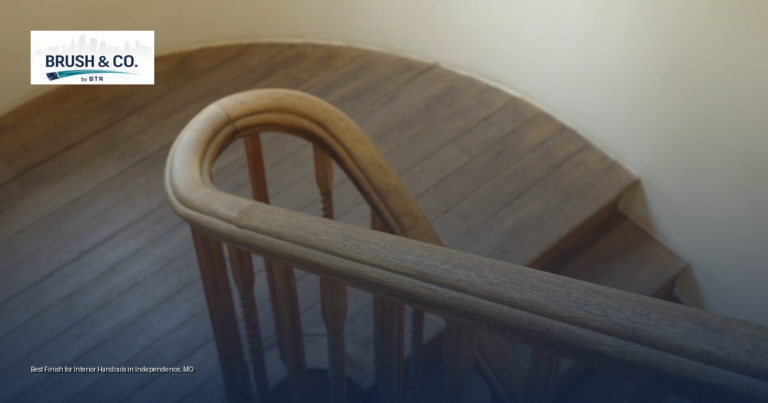
For most interior handrails in Independence homes, a water-based polyurethane in a satin or semi-gloss sheen is the best finish. It cures to a hard, hand-friendly surface, resists the skin oils and constant friction a stair rail takes every day, and dries clear without the amber tint that oil-based coatings leave on lighter woods. If you want color instead of natural grain, a durable urethane-fortified enamel in satin is the comparable pick.
Key takeaways
- Best all-around choice: water-based polyurethane in satin or semi-gloss for a clear, durable, low-yellowing finish.
- Want painted rails? Use a urethane-reinforced enamel, not a standard wall paint, so it holds up to constant handling.
- Sheen matters: satin hides fingerprints and wear better than gloss; flat finishes wear through too fast on a rail.
- Prep is everything: sand to bare or scuffed wood, clean off hand oils, and apply thin coats for a smooth grip.
- Independence humidity swings make fast-drying water-based products easier to apply well in summer and shoulder seasons.
Handrails are one of the hardest-working surfaces in any house. Unlike a baseboard or a window trim, a rail is gripped, slid along, and leaned on dozens of times a day. That daily contact is why the finish you choose matters more here than almost anywhere else in the home.
Why water-based polyurethane wins for interior handrails
Water-based (acrylic) polyurethane has become the go-to clear coat for interior rails for a few practical reasons. It dries fast, often recoatable in two to three hours, so a stair rail can be back in service the same day. It stays clear over time rather than yellowing, which protects the look of maple, oak, and the lighter woods common in newer Independence subdivisions. And modern formulas cure hard enough to stand up to constant hand contact.
Oil-based polyurethane is still tougher in raw abrasion resistance and gives a warm amber glow some homeowners love on traditional walnut or stained oak. The trade-offs are a longer cure, a stronger odor, and that amber shift that keeps deepening for years. According to the U.S. Environmental Protection Agency’s indoor air quality guidance, finishes and solvents can raise indoor pollutant levels during and after application, so good ventilation matters with any coating, and water-based products generally make that easier to manage in an occupied home.
Choosing the right sheen for a rail you actually touch
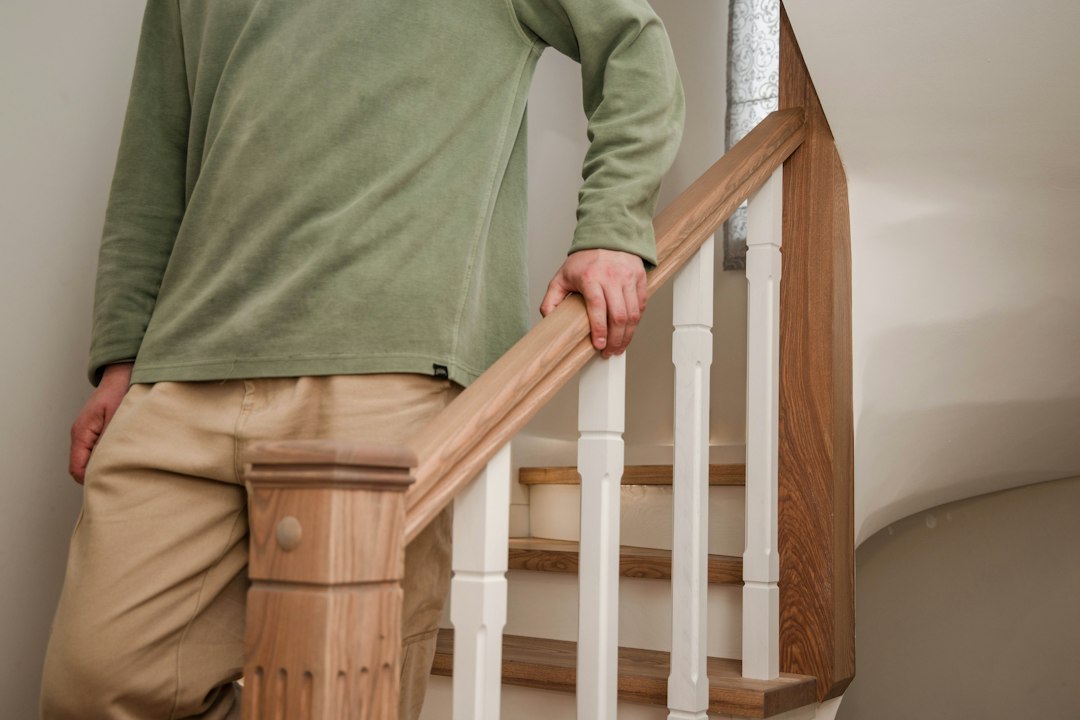
Sheen is not just looks on a handrail, it affects how the rail feels and how visible the wear becomes.
- Satin: the sweet spot for most homes. It hides fingerprints, hand oils, and minor scratches far better than glossier options.
- Semi-gloss: a touch more durable and easier to wipe clean, which suits households with kids or heavy traffic. It does show smudges more readily.
- Gloss: striking on a formal staircase but unforgiving; every fingerprint and swirl mark shows.
- Flat/matte: avoid on rails. It looks great but burnishes and wears through where hands ride.
In the century-old homes around the Truman neighborhood and Independence Square, a satin clear coat over restored original oak keeps the period character without the plastic look a high gloss can give older wood.
Painted handrails: pick an enamel, not wall paint
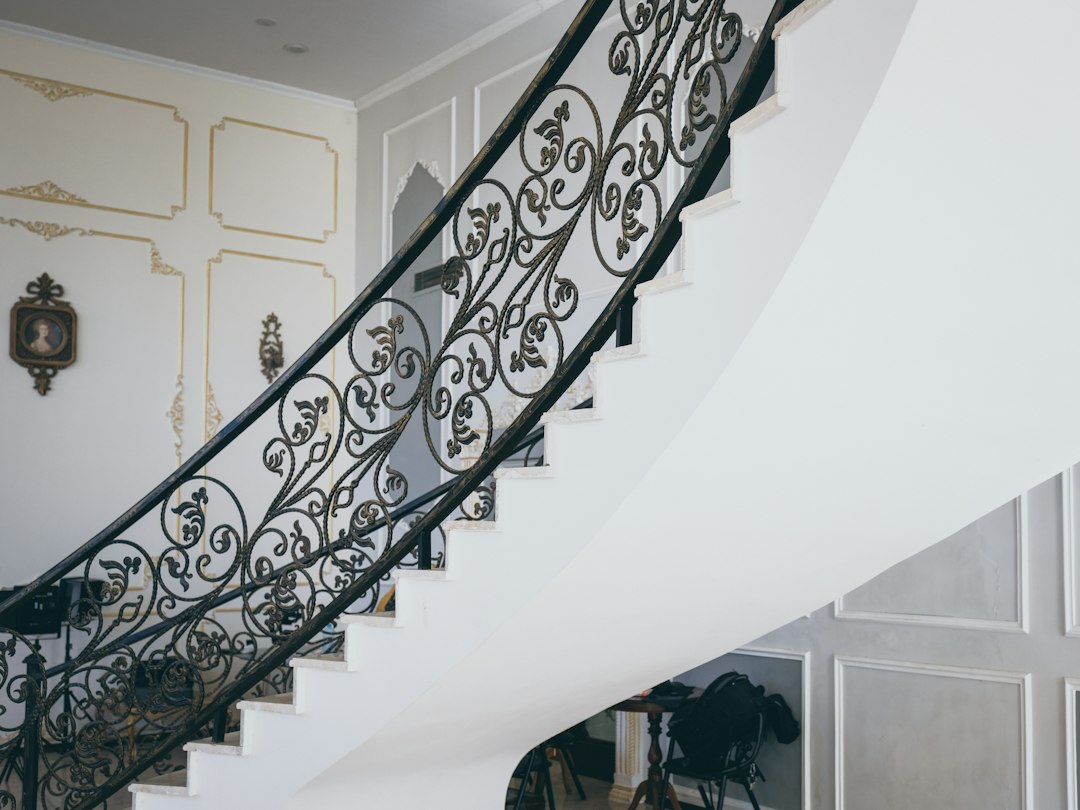
Plenty of Independence homeowners want a crisp white or black rail to match newer trim. If that is you, skip standard latex wall paint, which stays soft and shows every palm print. A urethane-reinforced acrylic enamel in satin or semi-gloss levels out smooth, cures hard, and survives daily gripping. Prime bare or glossy wood first so the enamel bonds, and plan on at least two thin topcoats. For a deeper look at product types, our guide to what type of paint is used in interiors breaks down how enamels differ from everyday wall paint.
Prep and application that make the finish last
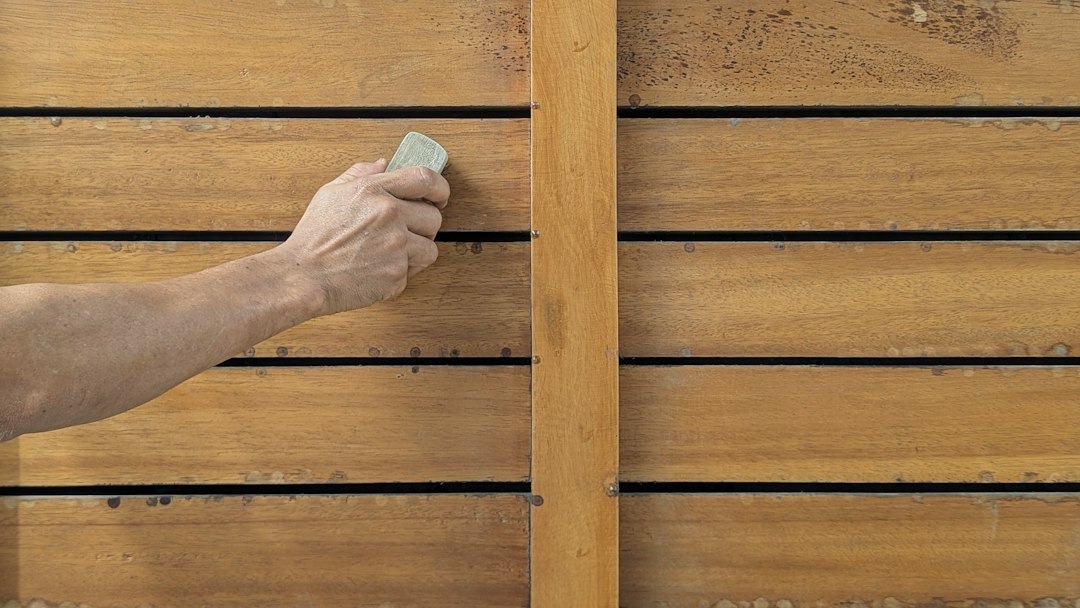
Even the best product fails over bad prep. Here is the sequence a professional follows on an interior rail:
- Degrease: wipe the rail with a mild cleaner to strip years of hand oils, then let it dry fully.
- Sand: take clear-coated rails back to a uniformly scuffed or bare surface; feather out any worn spots.
- Tack and dust: remove every speck, since a rail at hand height shows debris instantly.
- Thin coats: two to three light coats beat one heavy one, with a light sanding between for a glass-smooth grip.
- Cure time: finishes are dry to the touch quickly but keep curing for days, so treat a fresh rail gently that first week.
Independence weather plays into timing. Humid Missouri summers slow drying and can cloud some finishes if you rush recoats, while the dry swings of late fall speed things up. Water-based coatings are more forgiving across those shifts, but matching recoat windows to the day’s humidity still pays off. If you are coordinating a rail with other work, our interior painting services in Independence, MO can fold the staircase into a larger refresh.
When to call a pro versus DIY
A straight, accessible rail is a reasonable weekend project for a careful DIYer. The jobs worth handing off are stripping decades of old finish from original woodwork, matching stain on a historic staircase, or spraying a flawless enamel on turned balusters and spindles. Those tasks reward experience and the right equipment. If you would rather hand off the whole project, you can contact our team for an estimate.
Whatever route you take, the principle holds: on a surface your family touches every single day, a hard-curing finish in a forgiving satin sheen is the choice that still looks good years from now.